What Are Tube Baits?
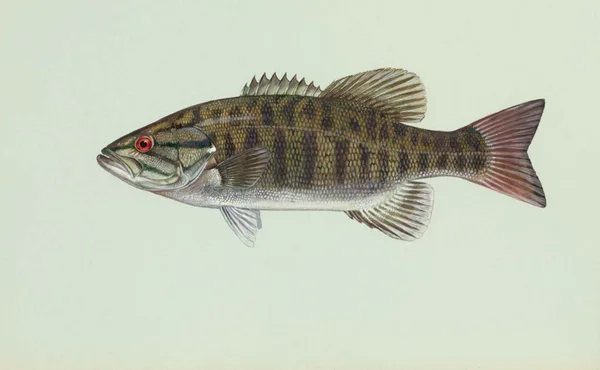
Tube baits are a soft plastic design that has been a staple of bass fishing since Bobby Garland introduced them in the 1970s. The design is simple: a hollow, cylindrical body with a solid head section and a skirt of tentacles trailing off the back. That hollow body traps air, creating an erratic spiral on the fall that no other lure shape can replicate. When a tube hits the bottom, the tentacles flare outward, perfectly mimicking a crawfish in a defensive posture or a sculpin pinned against a rock. Smallmouth bass in particular find this profile irresistible — on many rocky lakes and rivers, tubes are the undisputed number-one producer.
Sizes and Rigging Options
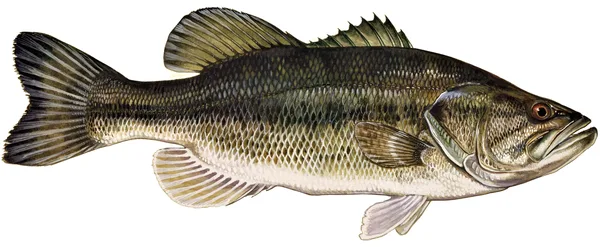
Standard tubes range from 2.5 to 4.5 inches. The 3.5-inch size is the workhorse for smallmouth and spotted bass. Larger 4-inch tubes work for largemouth in heavier cover and for spotted bass on deeper ledges. Micro tubes in 1.5-2 inches catch crappie and panfish when threaded on a small jighead.
The internal tube jighead is the signature rig. A specially designed jighead slides inside the hollow body with the hook exiting through the top, creating a compact package that casts well and sinks with that spiraling fall. Weight selection depends on depth and current — 1/8 ounce for shallow water, 1/4 ounce for moderate depths, and 3/8 to 1/2 ounce for deep structure and river current.
Texas-rigged tubes with a bullet weight work in vegetation and wood where an exposed jighead would snag. The weedless setup sacrifices some of the spiraling fall action but opens up cover that internal-head rigs can’t fish.
How to Fish Tubes
The most effective technique is dragging — cast to rocky points, boulders, ledges, or gravel transitions and let the tube sink to the bottom. Watch your line on the fall; the spiraling descent draws strikes before the tube ever hits bottom. Once it settles, drag it slowly with your rod tip, maintaining bottom contact. Pop it over rocks and let it fall into the gaps between boulders where bass hide.
On smallmouth water, work the tube across rocky flats and drop-offs with a combination of short hops and long drags. Smallmouth often pin the tube against the bottom rather than inhaling it aggressively, so use a sensitive rod and watch for subtle weight changes in your line.
For crappie, thread a small tube on a 1/16-ounce jighead and fish it vertically around brush piles, dock posts, and standing timber. Slow lifts and controlled falls keep the bait in the strike zone.
When Tubes Shine
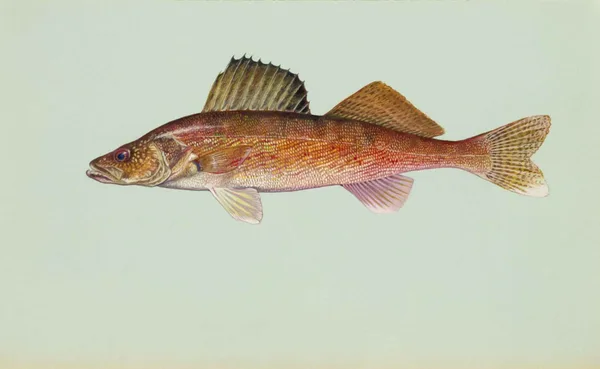
Tubes produce from spring through fall, with peak effectiveness during the pre-spawn and post-spawn periods when bass are relating to rocky structure and feeding heavily on crawfish. In summer, deep tube dragging on main-lake humps and points catches quality smallmouth and walleye when other baits get ignored. Tubes lose some effectiveness in heavy vegetation and in cold water below 45°F, but in rocky environments, no other soft plastic comes close to matching their track record.