What Are Tube Jigs?
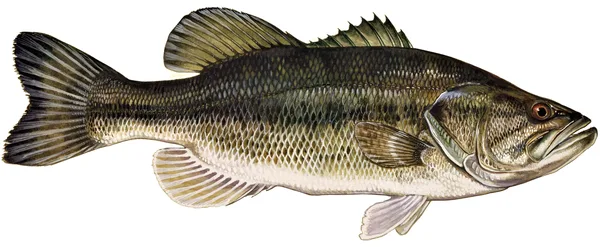
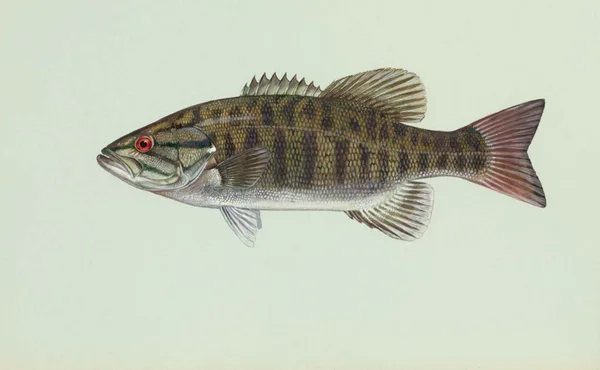
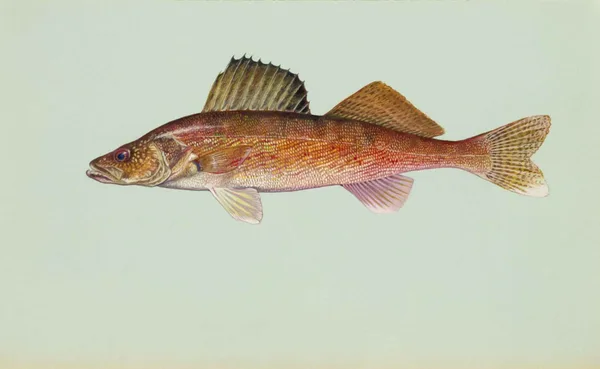
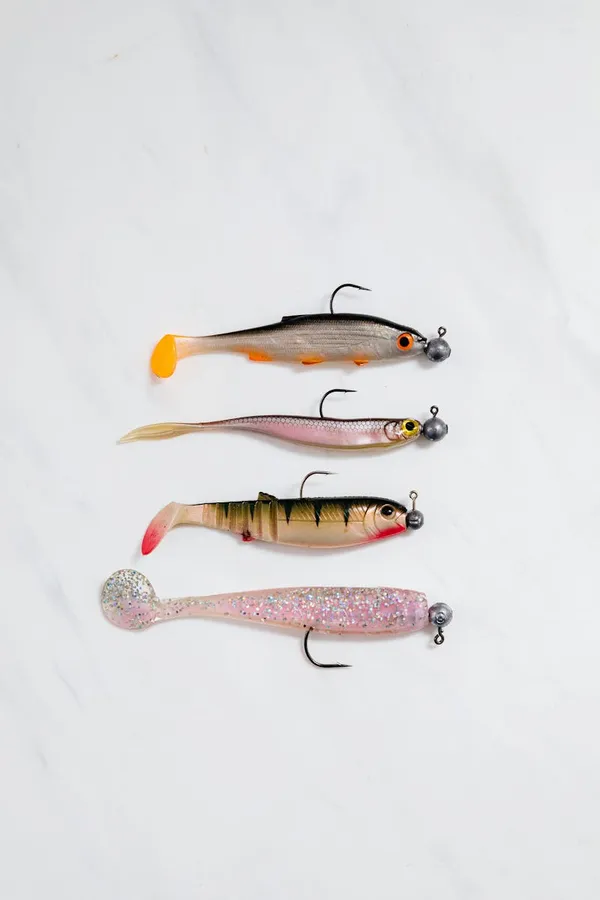
Tube jigs consist of a hollow, cylindrical soft plastic body with tentacle-like skirts on the tail end, rigged on a specially designed internal jig head. The hollow body traps air and creates an erratic, spiraling fall that no other lure can replicate. Originally developed for smallmouth bass fishing on the Great Lakes, tubes have become one of the most productive baits across multiple species and water types. Their profile closely mimics crawfish, gobies, and other bottom-dwelling forage that bass, crappie, and walleye feed on heavily.
Sizes and Weights
Tube sizes range from 1.5 inches for panfish up to 4.5 inches for trophy bass. The standard smallmouth tube is 3 to 3.5 inches paired with a 1/4 oz internal head. For largemouth around heavy cover, go with a 4-inch tube on a 3/8 oz head to punch through vegetation. Crappie anglers should scale down to 1.5- to 2-inch tubes on 1/16 or 1/32 oz heads — the smaller profile is deadly when fish are keyed in on small minnows or insect larvae. Walleye tubes typically run 3 inches on 1/4 to 3/8 oz heads, fished slowly along rocky structure.
How to Fish Tube Jigs
The most effective tube technique is a cast-and-drag approach. Cast to rocky points, boulder fields, or current breaks and let the tube sink to the bottom on a semi-slack line. Watch your line carefully on the fall — the spiraling descent triggers reaction strikes, and you’ll see the line jump or go slack before you feel anything. Once on the bottom, use short hops and drags, keeping the tube in contact with the substrate. Pause frequently, especially in cold water. Smallmouth often pick up a tube sitting still on the bottom.
For crappie, rig a small tube under a slip bobber and work it around brush piles, dock pilings, and standing timber. Let the tube hang motionless at the depth where fish are marking on electronics, then give it tiny twitches. The tentacles pulse and breathe even with minimal rod movement.
When Tube Jigs Excel
Tubes are a three-season powerhouse from ice-out through late fall. They’re particularly deadly during the spring pre-spawn when bass move onto rocky flats and points in 5-15 feet of water. In summer, fish tubes on deeper offshore structure — humps, ledges, and channel swings — where bass and walleye hold during the heat. Fall fishing on rocky banks as bass chase crawfish back into shallow water is prime tube territory. Their natural appearance and unpredictable fall make tubes the go-to bait when fish are pressured and have seen every other presentation in the box.