What Are Micro Jigs?
Micro jigs are the smallest class of jig heads available, weighing from 1/100 oz up to 1/64 oz with hooks in the size 10 to 14 range. They are precision tools built for one purpose: fooling sunfish and small panfish that have become wary of larger presentations. At this scale, a micro jig closely matches the size of the aquatic insects, freshwater shrimp, and invertebrate larvae that sunfish feed on naturally. The result is a lure that gets eaten confidently by fish that would turn away from anything bigger.
Sizes and Weights
The most common micro jig weights are 1/80 oz and 1/64 oz. Heads come in round, teardrop, and ant shapes, with teardrop being the most popular because it hangs horizontally and mimics the profile of an insect nymph. Hook sizes run from 10 to 14, with size 12 being a good all-around choice for bluegill and pumpkinseed. Tungsten micro jigs are increasingly popular because they pack the same weight into a smaller head, giving a more natural profile and better sensitivity when detecting bites.
Micro jig bodies are equally tiny — 1-inch soft plastic curly tails, micro tubes, and small feathered or synthetic dressings. Many anglers tip them with a single wax worm, euro larva, or tiny piece of nightcrawler to add scent.
How to Fish Micro Jigs
The primary technique is fishing beneath a small fixed float set 2-4 feet deep over weed beds, lily pad edges, and near shoreline structure where sunfish congregate. Cast gently near the target, let the jig settle to depth, and wait. Give the rod a tiny twitch every 15-20 seconds — just enough to make the jig hop an inch or two. Sunfish are attracted by the movement but commit when the jig sits still.
Without a float, micro jigs can be fished on a tight line with a slow lift-and-drop along weed edges and around dock pilings. Let the jig sink on controlled slack, watching the line for any twitch, pause, or sideways movement that indicates a fish has inhaled it. Sunfish bites on micro jigs are often extremely subtle — the line simply stops sinking or moves slightly to the side.
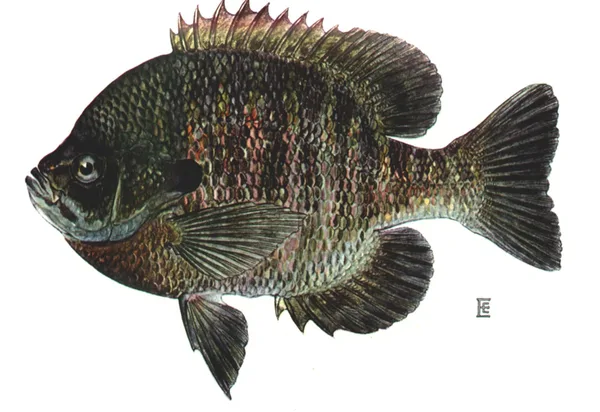
Sight-fishing is where micro jigs truly shine. During the spring spawn, bluegill and pumpkinseed fan beds in shallow, clear water. Drop a micro jig tipped with a wax worm right onto a bed and watch the fish eat it. The tiny size and slow fall look completely natural, and bedding fish that ignore larger jigs will attack a micro jig aggressively.
When Micro Jigs Excel
Spring and summer are prime micro jig seasons. During the spawn in late spring, sunfish are shallow, visible, and territorial — a micro jig pitched to a bed is nearly impossible for them to resist. In summer, large bluegill and pumpkinseed move to deeper weed edges and become more selective. The ultra-finesse profile of a micro jig outperforms larger offerings when fish are pressured. On heavily-fished public lakes where sunfish have seen every bait in the tackle shop, downsizing to a micro jig is often the key to catching the biggest fish in the colony.