What Are Marabou Jigs?
Marabou jigs are dressed with marabou feathers — the soft, fluffy plumage from turkeys or similar birds — wrapped around a jig head. These feathers are prized by lure makers and fly tiers alike because they produce extraordinary movement in water. Even the slightest current or rod twitch causes marabou fibers to expand, contract, and undulate, creating a breathing, pulsing silhouette that closely imitates a swimming baitfish or fleeing minnow. This natural action has made marabou jigs a staple for crappie anglers and a secret weapon for bass and walleye fishermen who appreciate finesse presentations.
Sizes and Weights
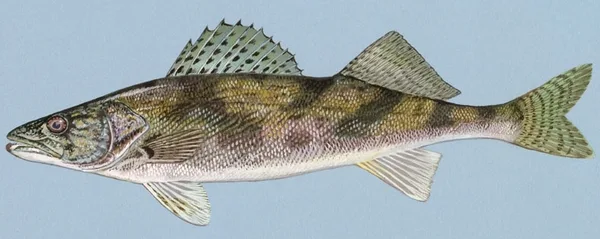
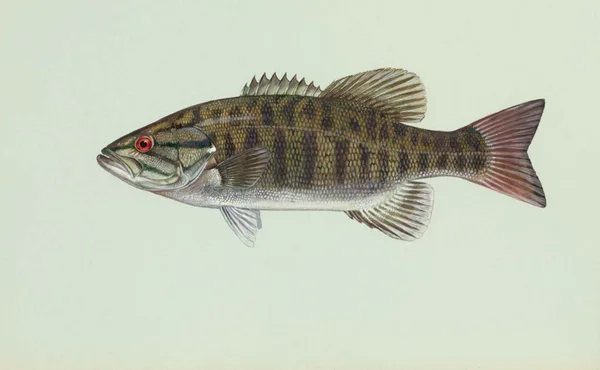
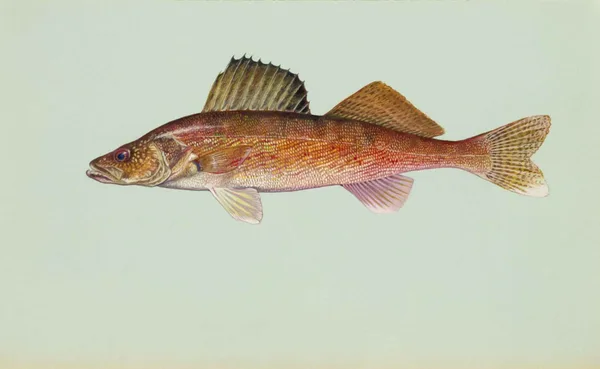
Crappie marabou jigs are typically tied on 1/16 to 1/8 oz heads with size 4 or 2 hooks. The lighter weights produce a slower fall that crappie prefer, particularly in shallow water around wood cover and weed edges. For smallmouth bass, 1/8 to 1/4 oz marabou jigs work well on rocky points and current seams in rivers. Walleye and saugeye anglers fishing deeper reservoir structure use 1/4 to 3/8 oz versions to maintain bottom contact in 15-25 feet of water. Thread count matters — a well-tied marabou jig has enough fibers to produce a full profile without being so dense that the action is muffled.
How to Fish Marabou Jigs
The beauty of marabou is that it requires minimal angler manipulation. A slow, steady swimming retrieve is the bread-and-butter technique for crappie. Cast toward brush piles, laydowns, or dock pilings and retrieve at a pace just fast enough to feel the jig’s weight. Pause every few cranks and let the jig sink on a semi-slack line — the marabou will billow outward as it falls, then collapse against the hook shank as you resume the retrieve. This expand-and-contract cycle triggers strikes from following fish.
Vertical jigging over brush piles is equally effective. Lower a marabou jig to the depth crappie are holding on your electronics and use slow lifts of 6-8 inches followed by controlled drops. The feathers do all the work, pulsing and breathing with each subtle movement. Hold the jig still at the top of each lift for a two-count — crappie often strike a jig that’s hanging motionless after movement.
For smallmouth and walleye, drag marabou jigs along rocky bottoms with a lift-fall-pause cadence similar to fishing a hair jig. The softer action of marabou can outperform stiffer materials when fish are lethargic or heavily pressured.
When Marabou Jigs Excel
Marabou jigs are at their best during spring and fall when crappie move shallow and stage around wood cover and weed edges. The pre-spawn crappie migration — when fish push from deep winter haunts into creek arms and shallow bays — is prime marabou territory. Fish are aggressive but still selective, and the natural profile of a marabou jig draws strikes when hard-bodied lures get ignored. In fall, crappie school up on points and channel bends chasing shad, and a white or chartreuse marabou jig slow-swum through the school is one of the most efficient ways to fill a livewell.