What Are Leeches?
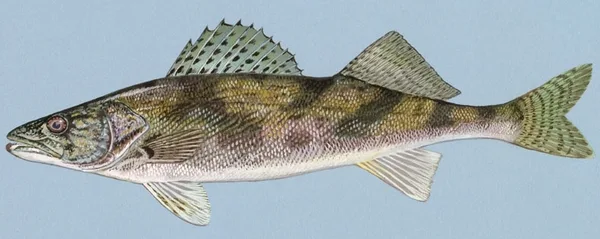
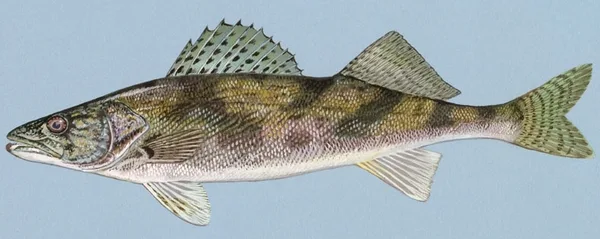
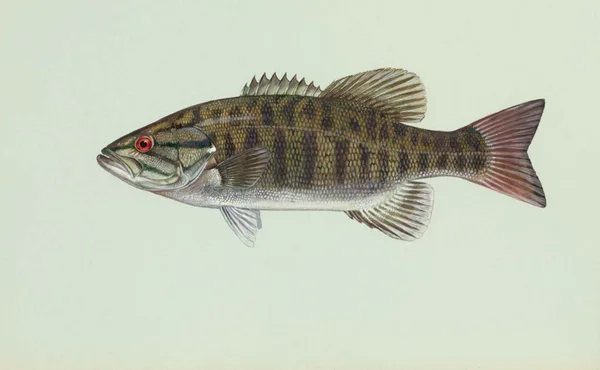
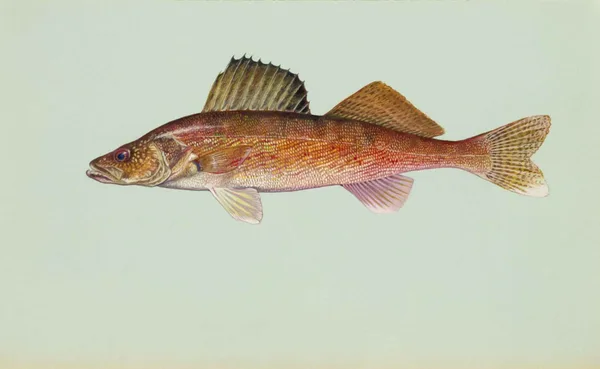
Ribbon leeches are the species of choice for fishing — they’re non-parasitic, flat-bodied leeches that swim with a mesmerizing undulating motion through the water. Ranging from 2-5 inches long, they’re brown to dark olive in color and produce a natural scent that walleye, smallmouth bass, and other gamefish readily eat. They’ve earned a near-legendary reputation as the best live bait for walleye during the summer months across the Upper Midwest.
How to Hook and Rig Leeches
The standard method is to hook the leech through the large sucker (the fat end, which is the tail — not the head). Use a size 4 to 1/0 octopus hook and push the point through the center of the sucker disc. Hooked this way, the leech swims headfirst away from the hook, presenting a natural profile and staying lively much longer than if hooked through the head.
On a slip-bobber rig, set the depth to suspend the leech 6-18 inches above the bottom over rocky structure or weed edges. The leech will swim in slow circles beneath the bobber, advertising its presence to nearby walleye.
A jig-and-leech combination is the workhorse presentation for walleye anglers. Thread a 1/8 to 1/4 oz jig head through the sucker and work it with a slow, lift-and-drop cadence along transition areas between rock and sand. The leech’s swimming action on the fall is when most strikes occur.
For smallmouth bass, a leech on a drop-shot rig fished around boulders and ledges is highly effective. The leech’s constant movement gives the drop-shot a lifelike quality that plastic baits can’t fully replicate.
When to Use Leeches
Leeches are a warm-water bait. They perform best when water temperatures are above 55°F, reaching peak effectiveness from late May through August. In cold water, leeches curl into a tight ball and refuse to swim, making them nearly useless — that’s when you should reach for minnows or nightcrawlers instead.
The prime window is the post-spawn period for walleye and smallmouth, when fish are feeding aggressively along rocky shorelines, points, and mid-lake structure. On overcast days with a light chop, a leech under a slip bobber is about as close to a guaranteed walleye bite as you can get.
Tips for Effectiveness
Sort your leeches before fishing — pick out the liveliest ones and discard any that are pale, stiff, or unresponsive. When threading a leech on a jig, leave enough body trailing behind the hook for maximum swimming action. If walleye are hitting short, resist the urge to set the hook immediately. Instead, feed line for a two-count before swinging — walleye often grab leeches by the trailing end and need a moment to turn the bait.