What Are Ice Jigs?
Ice jigs are purpose-built lures designed for vertical presentation through a drilled hole in the ice. They come in a wide range of styles — from tiny tungsten teardrops and ant-shaped panfish jigs to larger flutter spoons and swimming jigs for walleye and lake trout. What sets ice jigs apart from open-water jigs is their compact size, precise weight calibration, and specialized finishes like glow paint, UV coatings, and metallic plating that help attract fish in the low-light environment beneath the ice.
Sizes and Weights
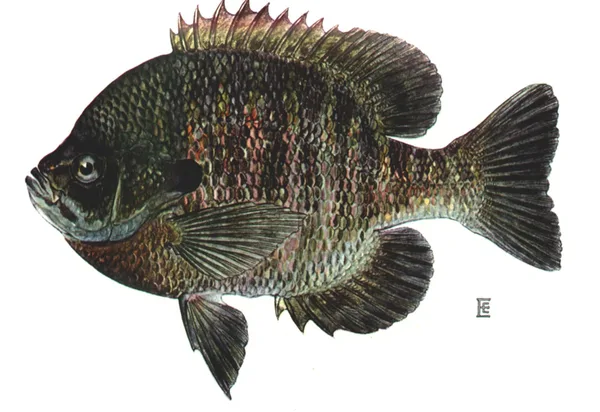
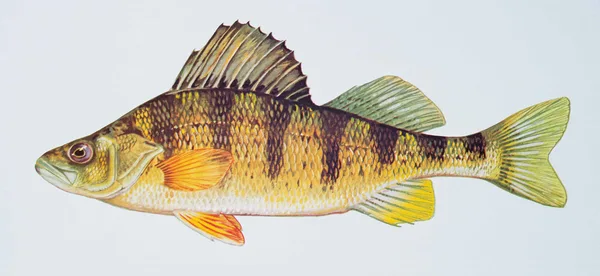
For panfish through the ice, tungsten jigs in the 1/64 to 1/32 oz range are the standard. Popular shapes include teardrops, ants, demons, and horizontal-hang jigs that sit level in the water. These tiny presentations match the scale of the invertebrates and larvae that bluegill and crappie feed on during winter. For yellow perch, bump up to 1/16 oz jigs that can handle a minnow head or full wax worm without being dragged off balance.
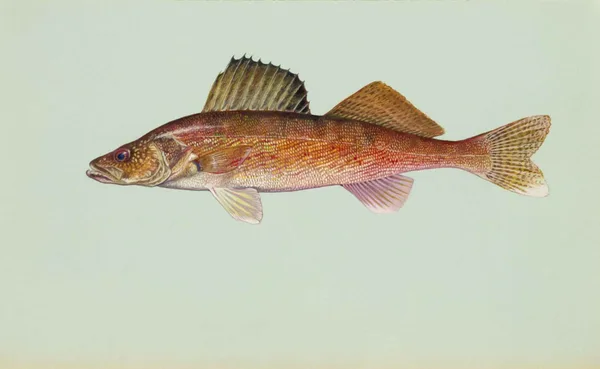
Walleye ice jigs are substantially larger — 1/4 to 1/2 oz spoon-style jigs like the Swedish Pimple, Kastmaster, or Buck-Shot Rattle Spoon. Lake trout and whitefish call for even heavier offerings in the 1/2 to 1 oz range to reach depths of 40-80 feet where these species hold during winter.
How to Fish Ice Jigs
For panfish, lower the jig to the depth where fish are marking on your flasher or graph. Use tiny, rhythmic lifts of 1-2 inches — just enough to make the jig quiver and the bait pulsate. Pause frequently, holding the jig dead still. Panfish under the ice often stare at a jig for long periods before committing, and the pause is when most bites happen. Watch your spring bobber or line closely for the slightest twitch.
Walleye jigging is more aggressive. Rip the spoon up 12-18 inches, then let it flutter back down on slack line. The flash and vibration call fish in from 20-30 feet away. Once you see a mark on the flasher rising toward your jig, slow down to subtle shakes and let the fish close the distance. Tip with a minnow head for added scent.
When Ice Jigs Excel
Ice jigs are built for winter and that’s where they dominate. First ice — the first two to three weeks after a lake freezes safely — is prime time, as fish are still active and haven’t been pressured yet. Mid-winter can slow down, making ultra-finesse presentations with tiny tungsten jigs and single wax worms critical. Late ice, as meltwater flows bring oxygen and warmer water under the sheet, triggers another burst of feeding activity. Matching your ice jig size and aggression level to the mood of the fish is the key to consistent winter success.