What Are Casting Spoons?
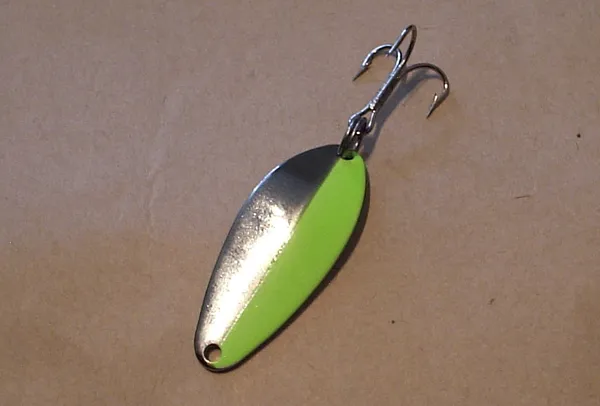
Casting spoons are one of the oldest artificial lure designs in fishing, and they remain deadly because the physics haven’t changed — a concave piece of metal wobbles through the water, throwing off flash and vibration that predatory fish can’t ignore. The classic spoon shape creates an erratic, side-to-side swimming action that imitates a wounded baitfish. Dardevle, Eppinger, Little Cleo, and Krocodile are names that have been catching fish for generations. The simplicity is the strength: no moving parts to fail, no batteries to die, just metal and a hook.
Sizes and Variations
Casting spoons run from 1/4-ounce trout models up to 2-ounce pike and muskie sizes. The curvature of the spoon determines the action — deeper cups create a wider, slower wobble while flatter profiles produce a tighter, faster wiggle that works better at higher speeds. Hammered finishes scatter light unpredictably, adding realism. Prism tape and painted patterns can match specific baitfish profiles — perch patterns for pike, alewife patterns for salmon.
Weight distribution matters for casting distance. Compact, heavy spoons like the Kastmaster cast into the wind and reach distant structure that lighter lures can’t touch. Wider, lighter spoons cover shallower water and run higher in the water column at slower speeds.
How to Fish Casting Spoons
The bread-and-butter technique is a straight retrieve at a speed that produces a steady wobble without spinning. Cast past your target, let the spoon sink to the desired depth, and reel back with occasional pauses. The pause lets the spoon flutter downward — a dying-baitfish action that frequently triggers strikes from fish following behind.
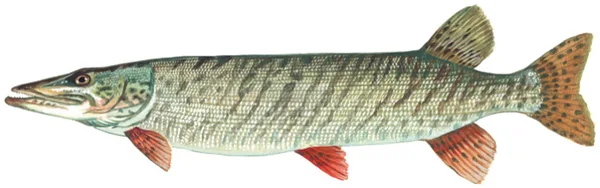
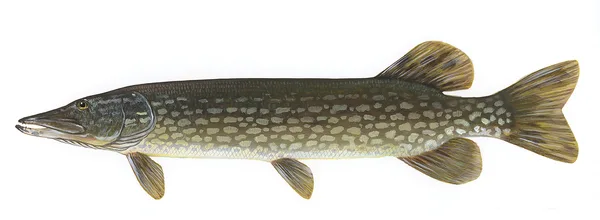
For pike and muskie, work weed edges by casting parallel to the vegetation line and retrieving just outside the weeds. These fish sit inside the weeds and ambush prey moving along the edge. Make a figure-eight at the boat on every cast — muskies and pike routinely follow to the boat before committing.
In rivers for steelhead and salmon, cast across and slightly upstream, letting the current sweep the spoon downstream while you maintain tension. The spoon swings through current seams and pools where fish hold. This swing technique is devastatingly effective during fall salmon runs.
When Casting Spoons Shine
Casting spoons excel from ice-out through late fall. In spring, they’re outstanding for pike cruising newly flooded shoreline vegetation. Summer calls for faster retrieves over deeper weed flats and rocky points for lake trout and bass. During fall salmon runs, casting spoons in silver, blue, and chartreuse draw aggressive strikes from staging chinook and coho. Their wind-cutting castability makes them the go-to choice when you need distance to reach fish breaking offshore or in rough conditions that shorter-casting lures can’t handle.